A South Africa Tour Is Made by the Moments Between Stops
A thoughtful South Africa itinerary makes room for the unplanned conversations, changing scenery and local encounters between its headline stops.
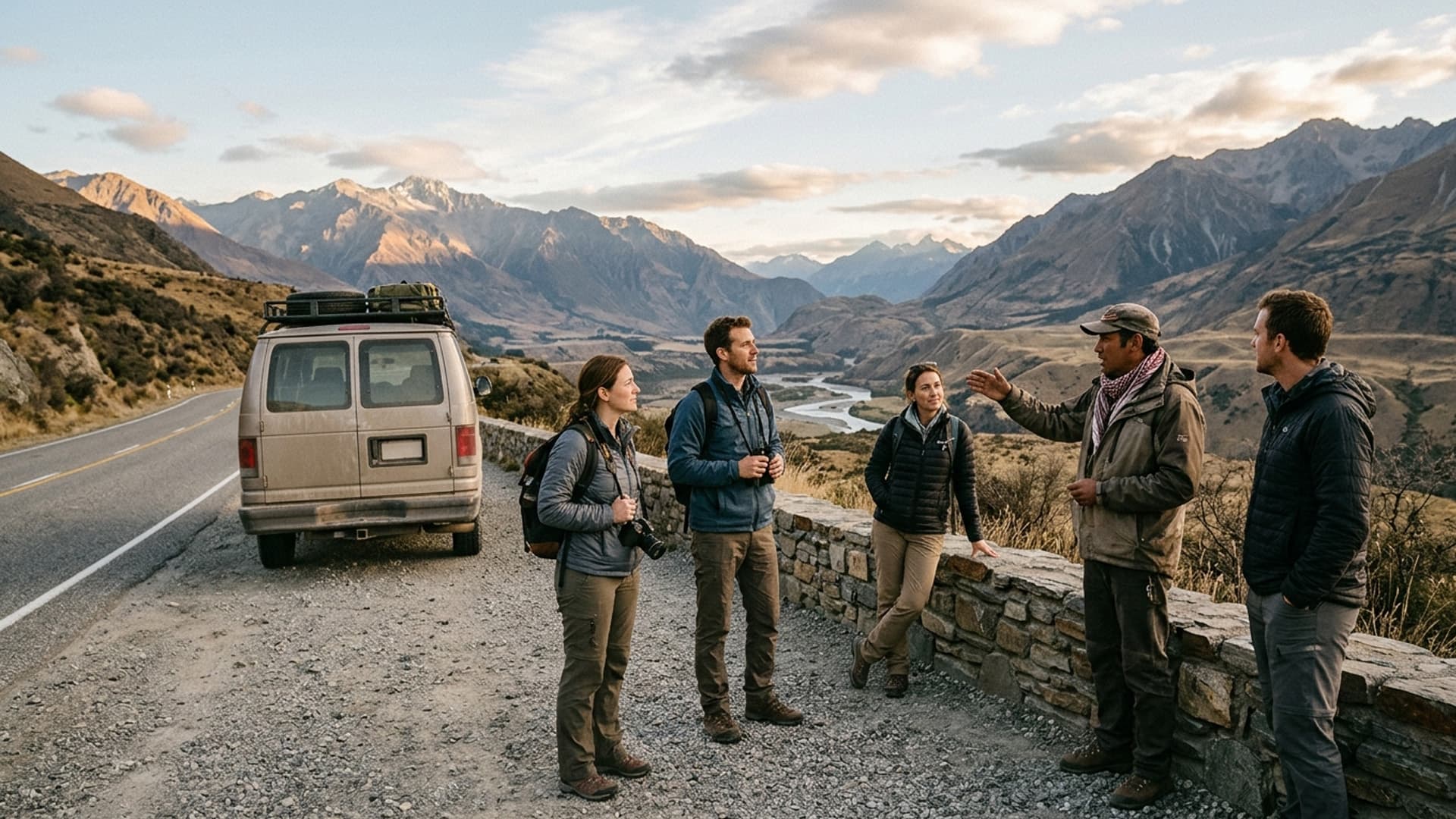
The map can make a South African tour look like a sequence of destinations. The memory is often shaped just as much by the spaces between them: a changing landscape through the window, a conversation with a local guide or the unexpected pause that lets a place come into focus.
South Africa’s variety is striking, but the country is also large. A well-designed tour does not treat distance as empty time to be conquered. It considers the people travelling, the purpose of the journey and how each stop relates to the next. A coastal section, a city visit and an inland landscape can each have a different rhythm. The route becomes more than a list when it gives those contrasts room to register.
For tour providers, this is a service-design question as much as an itinerary question. Clear descriptions, realistic transfer expectations and communication about what is included help guests understand the experience before they book. The most useful trip information is specific about the route and candid about what depends on conditions or availability.
South Africa Tours presents journeys through a country whose character changes from region to region. The invitation is not to see everything in one visit, but to choose a route with a point of view and enough space for the journey to feel like a story rather than a checklist.
Make room for local recommendations
Leave time to ask a guide, host or local business owner what is happening nearby, then verify practical details before changing the plan. A recommendation can reveal a small experience that would not appear on a major attraction list. Be clear about budget, timing and mobility so the suggestion can fit the actual day rather than create a rushed detour.
At the same time, recognise that local people are not obliged to act as tour planners. Ask politely, support businesses where appropriate and accept that a person may be busy. A respectful interaction can enrich the journey without turning every conversation into a request for free advice.
Review the trip at natural pauses
At the end of each base or region, check whether the pace is working for everyone. If the group is tired, remove an optional stop rather than carrying the strain into the next day. If there is more energy, choose an activity nearby instead of adding another long transfer. Small adjustments preserve the main purpose of the trip while responding to what travellers actually experience.
Let travel time shape the itinerary
South Africa is a large and varied destination, and the distance between two appealing stops can be greater than it looks on a map. A tour that tries to fit a new region into every day may spend more time checking out, driving and finding the next entrance than experiencing the places themselves. A thoughtful pace creates room for the journey, not only the list of attractions.
Start with the experiences that matter most to the travellers. Choose a small number of anchors, then arrange nearby activities around them. Check realistic travel times using current route information and account for stops, traffic, road conditions and rest. A direct distance does not include time to refuel, eat, use facilities or adjust plans when weather changes.
Choose a route with a clear logic
An itinerary can follow a region, a landscape or a theme. A coastal route may combine ocean views, towns and nature; a city-focused visit may leave more time for museums, food and neighbourhood exploration. The route should make sense geographically and for the group's interests. If two activities require a long transfer between them, ask whether both are important enough to justify the day.
Plan where the group will sleep before adding optional stops. Accommodation location affects morning departure, evening return and the amount of time spent in transit. Repeatedly changing lodging can add packing and check-in costs that are easy to overlook. For some trips, a comfortable base and day excursions are more enjoyable than moving every night.
Protect open time
Leave unscheduled periods in the itinerary. They allow for a meal that runs longer, a conversation with a guide, a spontaneous market visit or simply a rest. Open time is especially useful after a long drive or a physically demanding activity. It gives each traveller some control over the day and lowers the pressure to rush from one planned stop to another.
This flexibility should be intentional. Identify which activity can be shortened or skipped if the day runs late. Make reservations for the experiences that truly require them, but avoid stacking every meal and stop into fixed times. If a tour operator has a strict departure, build in a buffer rather than relying on ideal traffic.
Balance iconic sights with local context
Major landmarks can be memorable, but the transitions between them help visitors understand a place. A local guide may explain how a landscape, neighbourhood or industry developed. A small museum, food stop or community-led experience can add context that is not obvious from a viewpoint. Choose such activities because they suit the group, not merely to add variety to an itinerary.
When selecting a community or cultural experience, understand who organises it, what visitors are invited to do and how the visit benefits local participants. Avoid treating people as scenery. Follow guidance about photography and participation, and ask before sharing identifiable images. Respectful engagement makes the encounter more meaningful and protects the privacy of hosts.
Plan for different interests and energy
Travellers may have different priorities: wildlife, scenery, food, history, shopping, outdoor activity or rest. Invite everyone to name one or two non-negotiable experiences, then look for overlap. Some days can include parallel options, such as a longer walk for part of the group and a relaxed café stop for others, with a clear meeting arrangement.
Consider heat, altitude, walking distance, accessibility and daylight. A route that suits an active adult may not suit a young child or a person with limited mobility. Check official descriptions and ask providers about surfaces, stairs, seating, toilets and vehicle access. Avoid relying on a single label such as “easy” or “family-friendly” without practical details.
Make transfers part of the experience
Long drives can be tiring, so plan fuel, food, rest stops and driver changes. Use current road information and follow local rules. Do not schedule a tight activity immediately after a long transfer. If using a tour vehicle, ask about group size, pickup timing, luggage and what happens when a route is delayed.
Travellers who drive themselves should plan realistic daily distances and avoid driving when fatigued. Keep essential documents and emergency contacts available, and understand the vehicle's return arrangements. A scenic route may be slower than the main road; allow time to stop safely rather than pulling over where it is unsafe.
Use current, trustworthy information
Opening times, access rules, permits and seasonal conditions can change. Check directly with the attraction, park or tour provider before travelling. For safety or legal information, use current official sources. A popular travel article can offer inspiration, but its details may be old or specific to one traveller's circumstances.
Keep booking confirmations and cancellation terms in one place. Confirm meeting points and contact details before the day of an activity. Share the broad itinerary with someone who is not travelling, especially for remote routes. These simple habits make it easier to adapt when plans change.
Finish with breathing room
Do not make the final day a race from a distant stop to an airport or fixed departure. Stay close enough to travel comfortably, and leave a buffer for traffic, check-in and unexpected changes. If a final activity is important, choose one that can be shortened or rescheduled.
A satisfying tour is not measured by how many pins appear on a map. It is measured by whether travellers had time to notice the places they visited and return with a clearer sense of the journey. A route with fewer stops can hold more memorable moments when its pace leaves room for people, landscapes and the unexpected.
Elisha Roodt
Sharing authentic stories and expert insights from the heart of South Africa's tourism landscape.
More From Tours
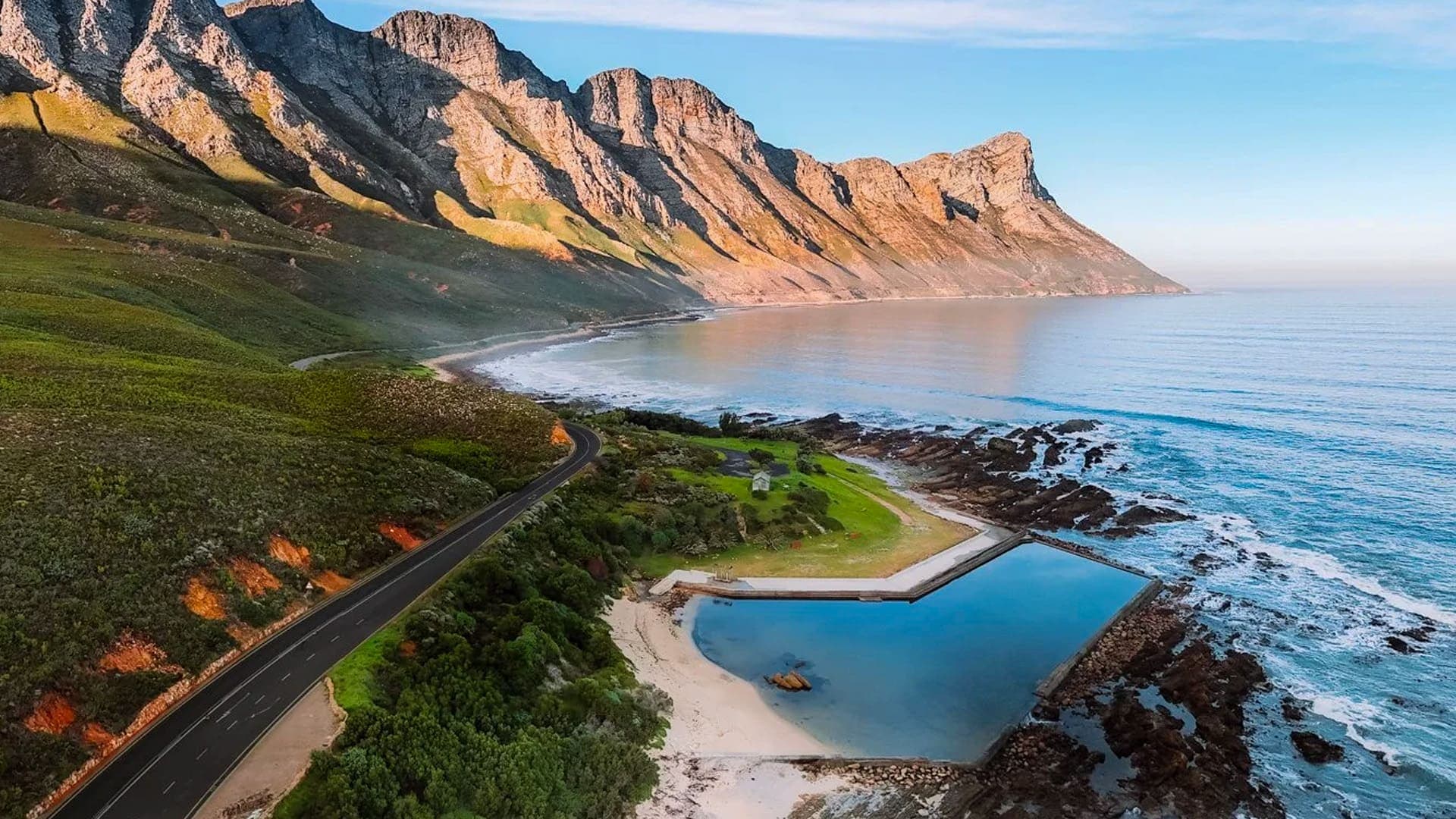
Garden Route Tours: How to Plan a Memorable South African Coastal Road Trip
The Garden Route combines coastal scenery, forest walks, wildlife, small towns and outdoor activities. This guide helps travellers plan a route, choose stops and make the most of a South African coastal tour.

Stargazing Pods to Forest Baths: Unique Wellness Escapes in South Africa
A Glimpse into Restorative Journeys Beyond Conventional Travel Across South Africa, the landscape of wellness travel is transforming into a...
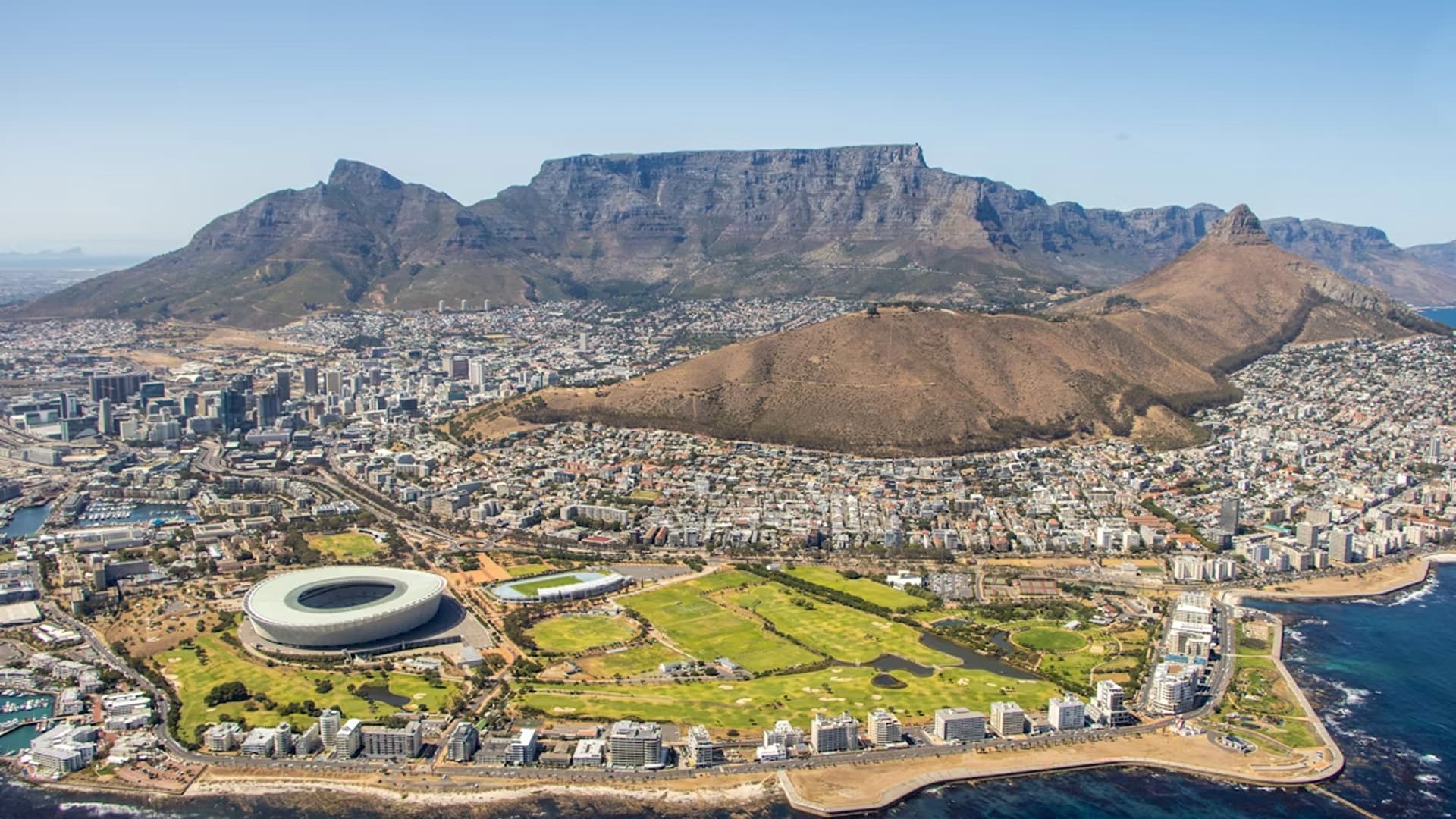
Cape Town Day Tours You Can’t Miss in 2025
A 2025 Field Guide to Cape Town’s Most Essential Day Trips Some cities ask to be strolled; Cape Town asks to be circumnavigated, climbed, ferried...

Essential Tips for First-Time Tourists in South Africa
Your Complete Guide to a Safe, Stunning, and Unforgettable Adventure South Africa offers an extraordinary blend of vibrant cultures, breathtaking...
Sustainable and Responsible Tourism
Embracing Eco-Friendly Lodges and Ethical Wildlife Conservation Tours in South Africa Imagine waking up to the sounds of the African wilderness...

Ultimate Guide to Touring South Africa: Top Activities and Experiences
Discover the Wonders of South Africa with South African Tours South Africa, often referred to as the "Rainbow Nation," offers a rich tapestry of...