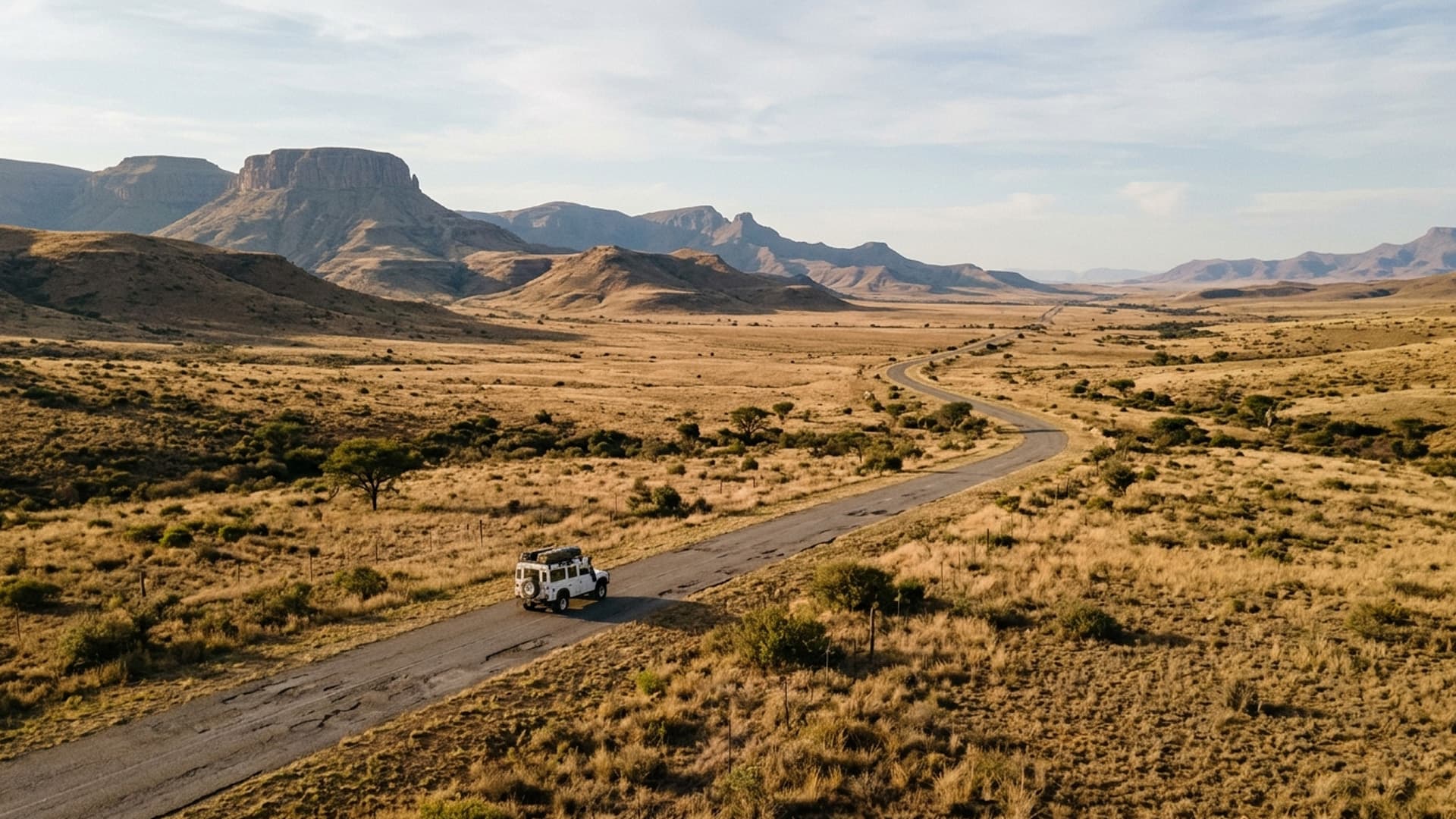
South Africa’s Scale Is Part of the Tour Experience
The country’s geography shapes every tour: contrasting regions reward focused itineraries more than an attempt to cover everything at once.
South Africa’s geographic scale is not a footnote to a tour; it is one of the things that defines the experience. The landscape, climate and character of a journey can change substantially between regions. On the road, that scale becomes visible: long horizons, shifting vegetation and the gradual transition from one setting to another.
An itinerary that tries to include every famous place can leave little time to experience any of them. A more coherent tour chooses a theme or region and lets the places connect. That might mean a coastal journey, a city-and-culture focus or a route built around a particular landscape. The best choice depends on what the traveller wants from the trip, how long they have and the practical arrangements involved.
For a tour business, being transparent about distance and travel time is part of good service. A route should be described in terms guests can understand, with any estimates checked against the actual itinerary and current conditions. Visitors should confirm final arrangements with the operator rather than assuming that a map distance tells the whole story.
South Africa Tours is an entry point to exploring journeys across the country. Its strongest itineraries will help travellers see not only where they are going, but why those places belong together.
Match daily distance to the experience
A driving day can still be enjoyable when it has a clear purpose and safe places to pause. Decide whether the group wants to arrive early or experience a scenic route. Avoid combining both ambitions without checking the time. Keep food, water and rest stops in the plan, and do not encourage a driver to continue when tired just to preserve the itinerary.
For a guided transfer, confirm what is included and whether stops are flexible. For a self-drive route, check current road information and plan where to refuel. These details can change the rhythm of the day more than the straight-line distance suggests.
Keep a version of the plan offline
Save addresses, booking references and key contacts where the group can find them without a data connection. Share a simple itinerary with someone at home and update it if the route changes. This preparation does not require tracking every minute; it gives travellers and their support contacts a reliable outline if something unexpected happens.
Avoid treating a transfer as empty time
Use longer drives to connect the trip's story: landscape changes, local food stops or a planned viewpoint can make the journey meaningful. Choose safe places to stop and do not add so many that the group arrives late. If the driver is also a traveller, allow time for rest and avoid expecting them to navigate, photograph and drive at once.
For a long route, consider a guided transfer or an overnight stop. The best choice depends on the group's energy, budget and interest in driving. There is no advantage in reaching more places if everyone arrives exhausted.
Start with geography and travel time
South Africa's scale shapes every tour. A map can make multiple regions look close together, but road journeys involve more than straight-line distance. Roads, weather, traffic, stops and the group's pace all affect the day. A workable itinerary begins with realistic travel times, then adds experiences that fit the route rather than forcing every destination into one trip.
Choose the main regions based on the visit's length and purpose. A short trip can be rewarding when focused on one city and its surroundings; a longer stay may support a multi-region route. Trying to include far-apart highlights can leave little time to understand any of them. Decide what matters most and keep secondary ideas for a future journey.
Cluster stops and reduce backtracking
Group activities that are near each other and plan overnight stays accordingly. Repeatedly crossing a city or returning to the same road wastes time and energy. Use a map to check actual routes, not just the names of provinces or towns. If two activities require a substantial transfer, consider whether one can be moved to a different day or removed.
Accommodation location should support the itinerary. A lower nightly price can be offset by long daily drives, parking or transfer costs. Compare the whole journey, including check-in time and early starts. For travellers who prefer a slower pace, fewer bases can make the trip easier to manage.
Use buffers for the unexpected
Road conditions, weather, queues and delays can change a schedule. Leave buffers before booked activities and flights. Avoid planning a long drive that ends immediately before a fixed departure. When an activity is time-sensitive, confirm its meeting point and cancellation policy directly with the provider.
Open time is useful even when nothing goes wrong. It allows a meal to run longer or gives the group a chance to stop at a viewpoint. A plan without buffers may look efficient, but it can become stressful as soon as a transfer takes longer than expected.
Choose transport based on the route
Self-driving offers flexibility, but requires attention to driving distances, vehicle needs, navigation and fatigue. Guided transport can reduce planning and may include local context, while public transport may suit certain city routes. Compare the options for the actual itinerary rather than assuming one mode is best everywhere.
Check vehicle capacity for people and luggage. Understand collection, return, insurance and fuel terms. For a guided tour, ask about pickup locations, group size, stops, accessibility and what happens if the route changes. Save essential information offline and share the broad plan with someone not travelling.
Plan around the group's needs
Different ages, mobility levels and interests influence what distance is comfortable. Discuss walking, heat, early starts and rest before booking. Check activity descriptions for stairs, uneven surfaces, toilets and seating. If the group has different interests, create optional alternatives with a clear time and meeting point.
Consider the emotional pace of the trip too. A day packed with transitions can be tiring even when each activity is short. Alternate demanding days with lighter ones. Allow time to settle into accommodation and eat properly. These choices make a multi-region tour more sustainable for the whole group.
Check current information as the trip approaches
Opening hours, route conditions, permits and seasonal experiences can change. Confirm details from the official attraction, park or operator. Use government or other authoritative sources for entry rules and safety guidance. An old article or social post may still be useful inspiration, but it should not be the final word on a current booking.
Keep confirmations, contact details and cancellation terms together. If a provider changes a schedule, use its verified contact channel. Avoid paying through an unexpected link before checking that it belongs to the provider. Clear records make it easier to adjust the route without confusion.
Make the route tell a story
A tour can connect landscapes, food, history, wildlife and contemporary life without trying to cover every subject. Choose a theme or sequence that helps visitors understand why each stop belongs. Local guides and community-led experiences can add context, provided they are selected with respect and the experience is accurately described.
The country's geography is not an obstacle to a memorable trip; it is part of the experience. A focused route, realistic transfers and time to pause let travellers encounter the differences between regions with more attention and less rushing.
Elisha Roodt
Sharing authentic stories and expert insights from the heart of South Africa's tourism landscape.
More From South Africa
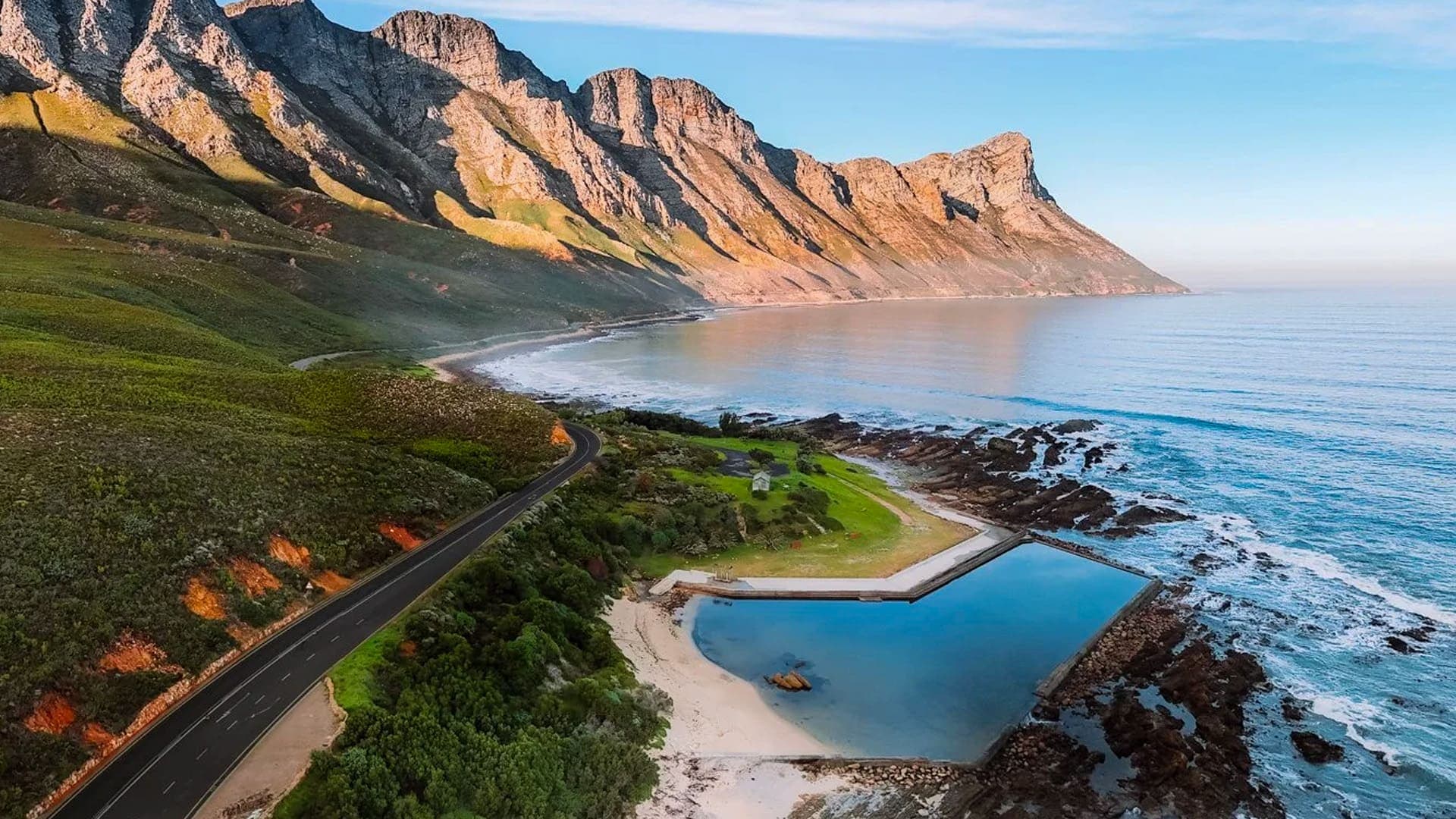
Garden Route Tours: How to Plan a Memorable South African Coastal Road Trip
The Garden Route combines coastal scenery, forest walks, wildlife, small towns and outdoor activities. This guide helps travellers plan a route, choose stops and make the most of a South African coastal tour.

Stargazing Pods to Forest Baths: Unique Wellness Escapes in South Africa
A Glimpse into Restorative Journeys Beyond Conventional Travel Across South Africa, the landscape of wellness travel is transforming into a...
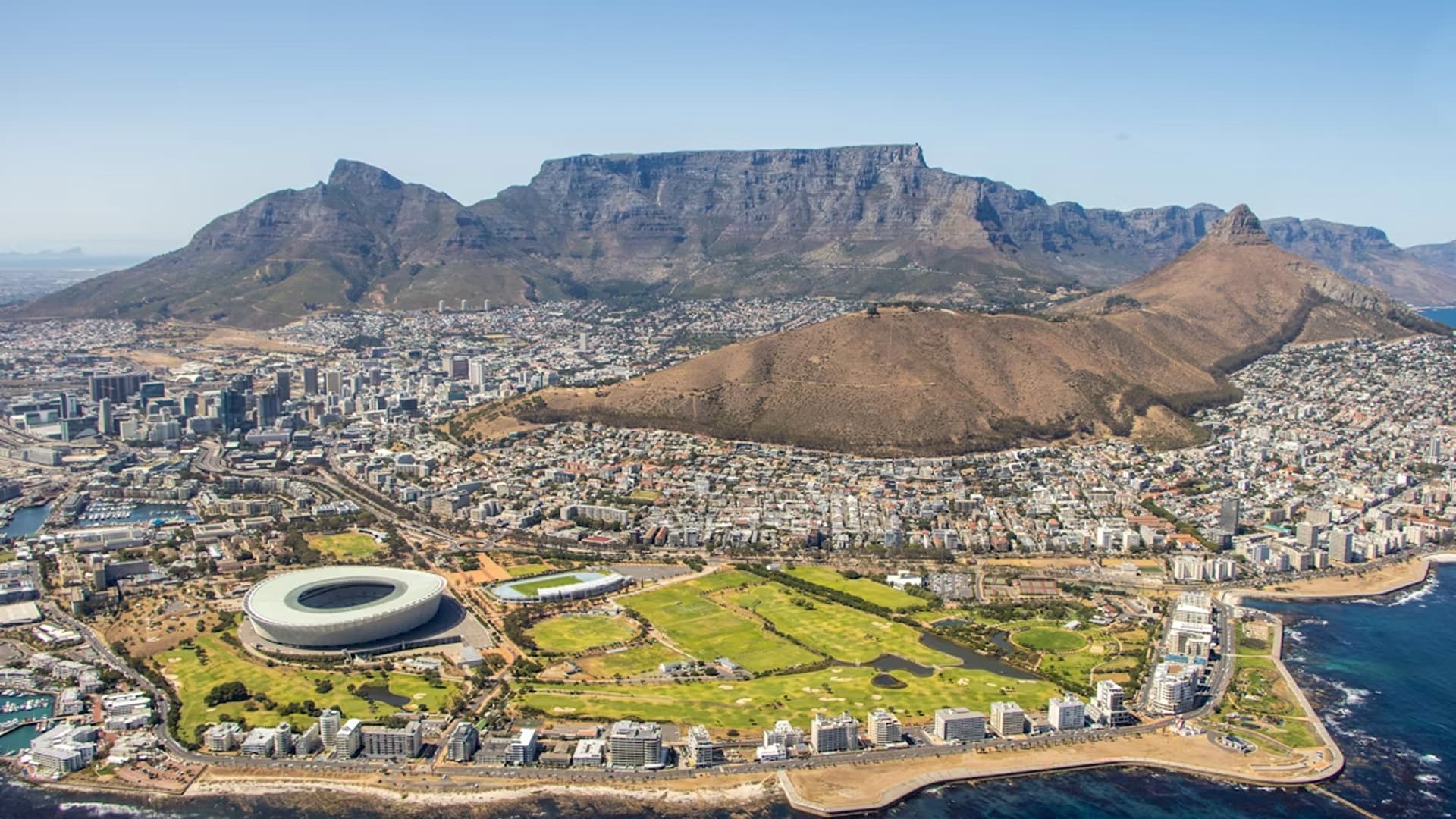
Cape Town Day Tours You Can’t Miss in 2025
A 2025 Field Guide to Cape Town’s Most Essential Day Trips Some cities ask to be strolled; Cape Town asks to be circumnavigated, climbed, ferried...

Essential Tips for First-Time Tourists in South Africa
Your Complete Guide to a Safe, Stunning, and Unforgettable Adventure South Africa offers an extraordinary blend of vibrant cultures, breathtaking...

Urban Explorations: Uncovering the Hidden Charms of South African Cities
Discovering the Soul of Urban South Africa Imagine wandering through winding alleyways, where centuries-old architecture stands side by side with...
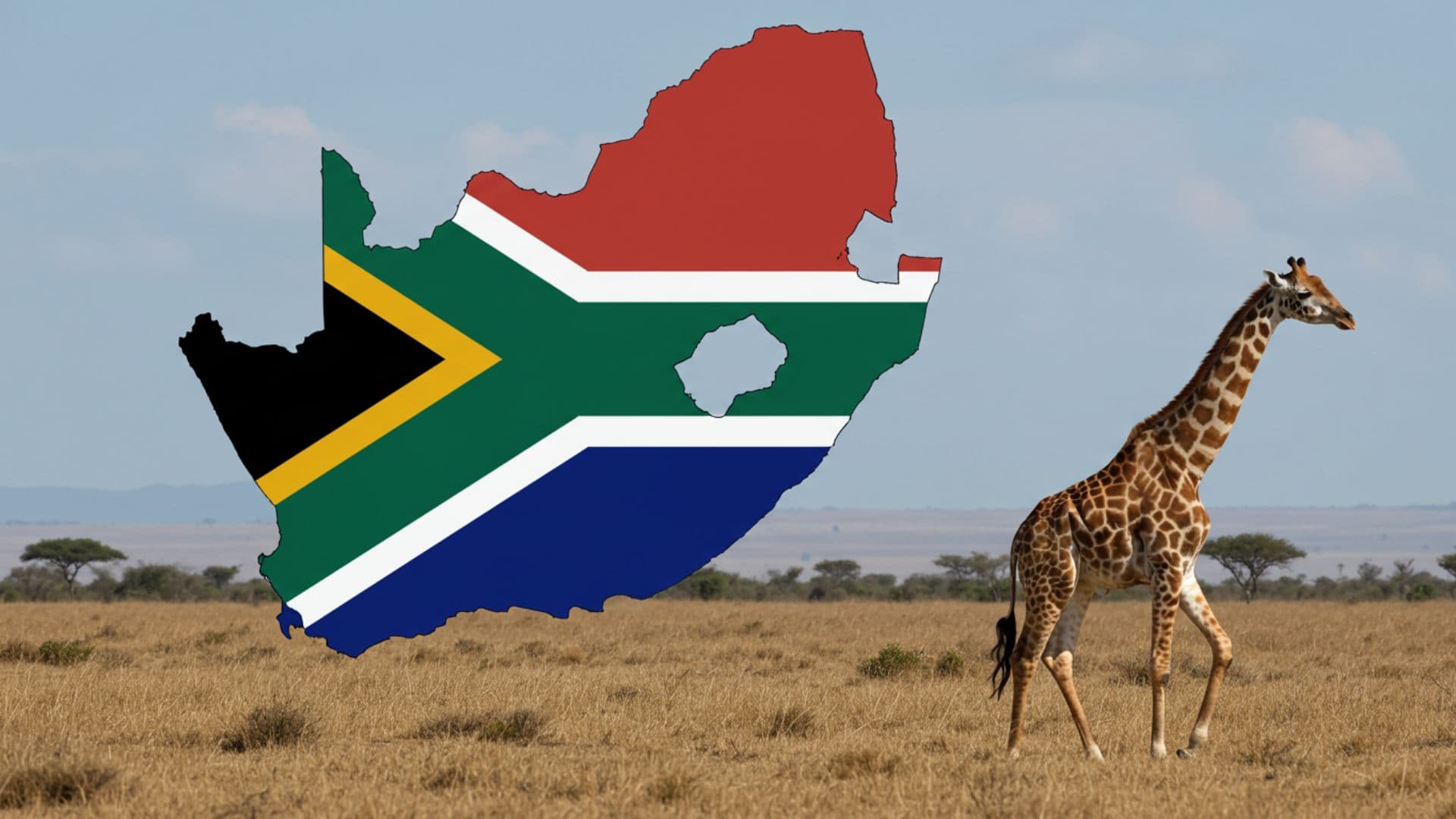
Discovering South Africa
Experience the Vibrant Tapestry of Luxury, Flavor, and Scenic Beauty South Africa unfolds as a realm where modern sophistication meets timeless...