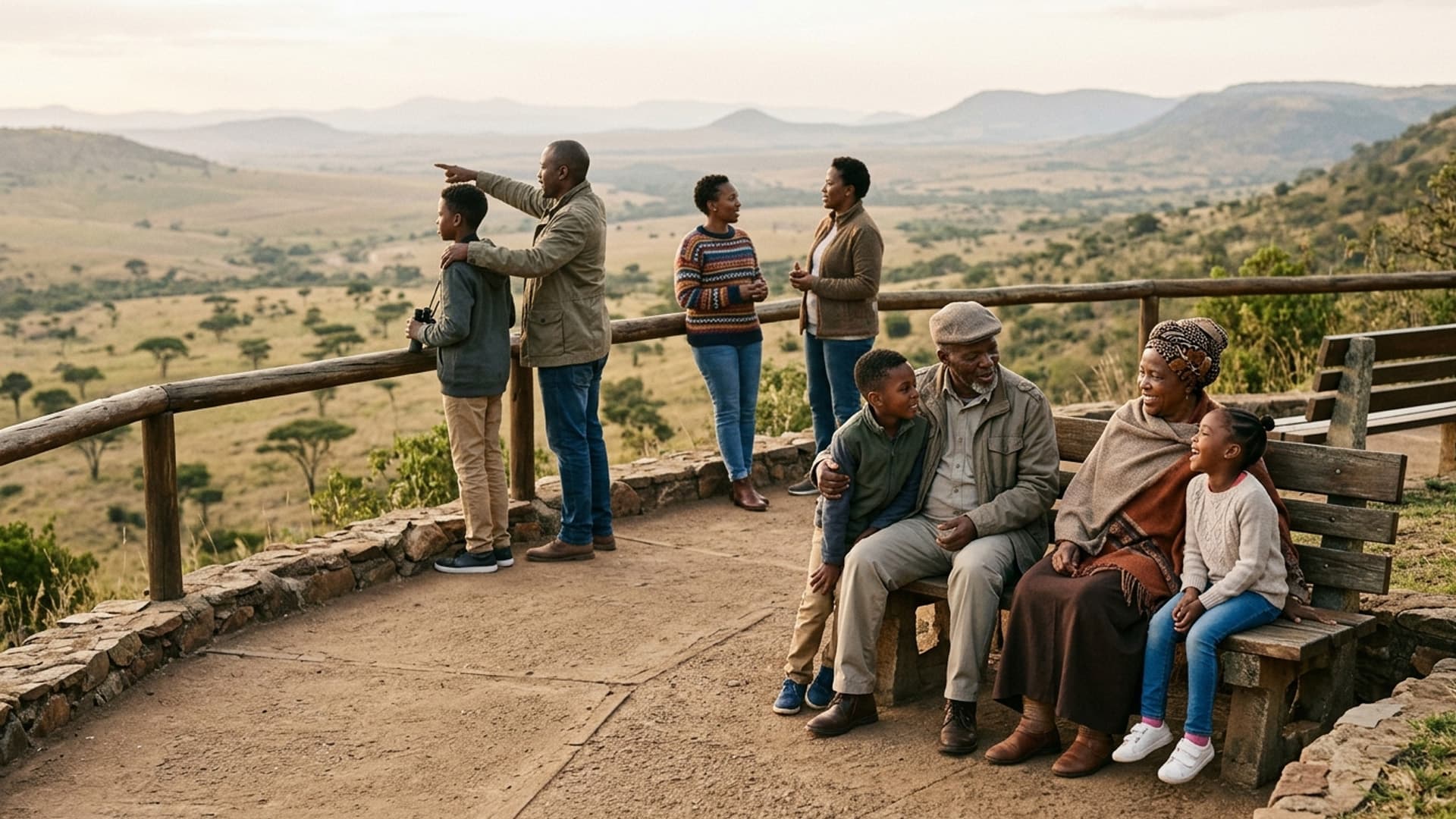
A South Africa Tour Can Bring Different Generations Together
Shared travel works best when an itinerary values different energies and interests instead of asking every generation to move alike.
A group trip can bring several generations into the same landscape, but shared travel does not mean everyone wants the same pace. One person may be eager to walk, another may prefer a longer pause, and children may experience a place through different details than adults. An itinerary becomes more welcoming when it treats those differences as part of the design.
The most useful tour information is concrete. Guests need to know what the day involves, how long transfers may be, whether there are periods on foot and what facilities are available. No single label such as “family friendly” can answer every access or comfort question. Travellers should be able to ask about their own needs and receive a direct answer from the operator.
A flexible group journey can create shared moments without requiring identical participation. A viewpoint, meal or short guided experience can bring everyone together, while optional time allows people to choose what suits them. The goal is not to reduce the trip to the least demanding activity, but to give the group more than one way to enjoy it.
South Africa Tours can help shape a route around the people travelling as well as the places on the map. Thoughtful communication before departure makes it easier for families to choose a journey that feels genuinely shared.
Make the plan easy to follow
Use a shared itinerary with short descriptions rather than a long message thread. Include departure times, addresses, who is joining each activity and how to regroup. Large text or a printed copy can help travellers who do not want to manage details on a phone. Keep changes visible and confirm that everyone has seen them.
Check in privately about fatigue or access concerns. Some people may not want to interrupt the group to ask for a break. A supportive organiser can offer options without drawing attention to anyone's needs, helping the whole group adjust comfortably.
Review the day's comfort, not only its schedule
At a natural pause, check that everyone has eaten, rested and understands the next step. Small adjustments, such as moving a meal earlier or shortening a walk, can prevent fatigue from affecting the rest of the trip. Let travellers opt out without needing to justify themselves, while keeping transport and supervision arrangements safe.
End the day by confirming the next departure and any items needed. Keep the evening light so the group can recover. A well-paced tour gives people enough energy to enjoy one another's company as well as the destinations.
Let shared moments stay simple
Choose a few activities where the group can be together without requiring everyone to move at the same pace. A meal, scenic stop or short guided experience can create a shared reference point between optional outings. Keep the schedule light enough that conversation and rest remain part of the trip.
Build an itinerary around people, not age labels
Travelling across generations can bring different interests and energy levels into one trip. Age alone does not tell you what someone enjoys or can comfortably do. Ask each traveller what matters to them, what they would rather avoid and how they prefer to move through a day. Use those answers to design an itinerary that offers shared experiences without expecting everyone to travel at the same pace.
Choose a few anchor activities that suit the group, then add optional choices nearby. A scenic stop may appeal broadly, while a longer hike or museum visit may interest only some travellers. Make a clear plan for people who split up: where to meet, what time and how to contact each other. Avoid leaving someone alone without transport or an agreed activity.
Pace travel days realistically
Transfers can be tiring for children and older travellers, especially when they involve long waits, late arrivals or frequent packing. Avoid scheduling a demanding activity immediately after a long drive or flight. Choose accommodation with practical access to meals, transport and rest. If the trip includes several bases, consider staying longer in fewer places.
Plan stops for food, toilets and stretching. A driver should not be expected to cover a long distance without breaks. Check vehicle capacity and entry access, including whether mobility aids or child seats fit. If using a tour provider, confirm the schedule and flexibility for the group's needs.
Check activities for practical access
Ask providers about walking distance, stairs, surfaces, seating, toilets, shade, noise and the availability of assistance. A general “family friendly” or “accessible” label may not answer a specific need. Contact the provider directly and, when the activity is important, confirm agreed arrangements in writing.
For outdoor activities, consider heat, weather, fitness and the ability to turn back. Not everyone needs to complete the same route. A shorter option or nearby place to rest can preserve a shared day without pressuring one traveller to continue. Ensure the group has a safe way to reunite.
Create choice without fragmenting the group
Plan parallel activities that end at the same place and time. For example, some travellers might explore a museum while others relax at a café nearby. Set a meeting point and identify who has the transport details. This gives people agency while maintaining a shared rhythm.
Meals are useful anchor points. Choose places with menus that accommodate different dietary needs and seating preferences. Ask about allergies in advance and avoid making one person responsible for explaining a private need to the whole group. Keep some unplanned time so the group can respond to energy and interest.
Keep information and responsibilities organised
Share a simple itinerary with addresses, meeting points, booking references and emergency contacts. Save it offline and provide a copy to the people who need it. Do not circulate sensitive identity or medical information broadly. A designated organiser can keep essential records securely and share the minimum necessary details with providers.
Agree on how decisions are made when plans change. One traveller may need to rest, a venue may close or weather may affect an activity. Discuss in advance what can be skipped and what alternatives exist. A flexible plan reduces frustration and avoids treating an unexpected change as one person's fault.
Make room for rest and autonomy
Build quiet periods into the day and let travellers opt out of activities without guilt. Older relatives may want a slower morning; teenagers may prefer independent time; young children may need a predictable routine. Keep supervision and transport arrangements clear, especially when the group is not together.
At the same time, do not assume that someone wants less activity because of age. Ask directly and offer choices. A trip can include demanding experiences for those who want them as long as participation is voluntary and safe alternatives are available.
End each day with a light reset
Confirm the next day's departure time, transport and essential items without turning the evening into a full briefing. Ask what worked and what should change. A small adjustment to start time, route or meal plan can make the next day more comfortable. Keep the itinerary focused on shared memories rather than completion of a checklist.
A mixed-age tour succeeds when each traveller has a meaningful place in the plan. Thoughtful pacing, practical access checks, optional activities and clear meeting arrangements help the group share experiences while respecting different needs. The result is not a compromise itinerary; it is a journey designed for the people taking it.
Elisha Roodt
Sharing authentic stories and expert insights from the heart of South Africa's tourism landscape.
More From South Africa
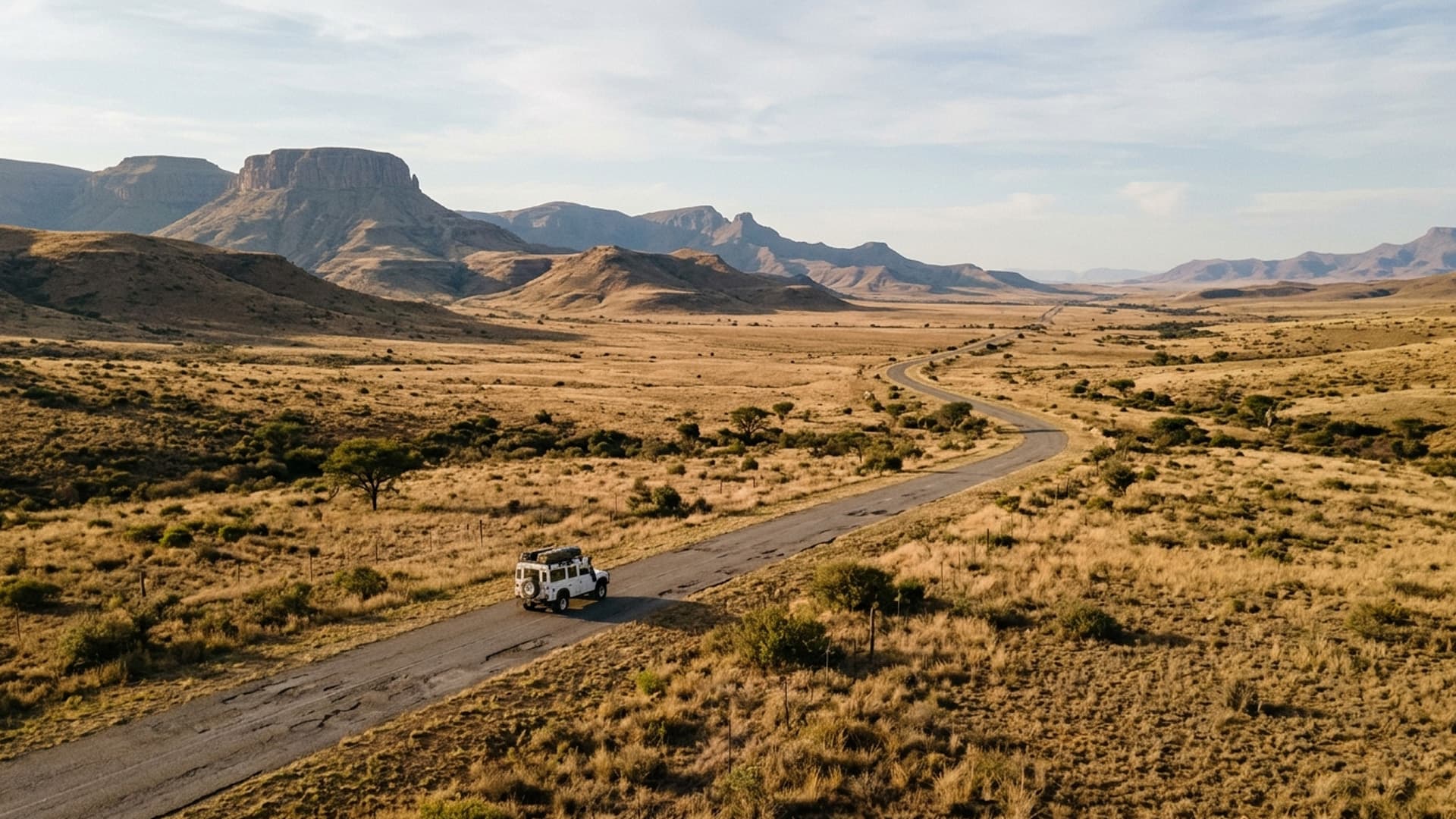
South Africa’s Scale Is Part of the Tour Experience
The country’s geography shapes every tour: contrasting regions reward focused itineraries more than an attempt to cover everything at once.

Garden Route Tours: How to Plan a Memorable South African Coastal Road Trip
The Garden Route combines coastal scenery, forest walks, wildlife, small towns and outdoor activities. This guide helps travellers plan a route, choose stops and make the most of a South African coastal tour.

Stargazing Pods to Forest Baths: Unique Wellness Escapes in South Africa
A Glimpse into Restorative Journeys Beyond Conventional Travel Across South Africa, the landscape of wellness travel is transforming into a...
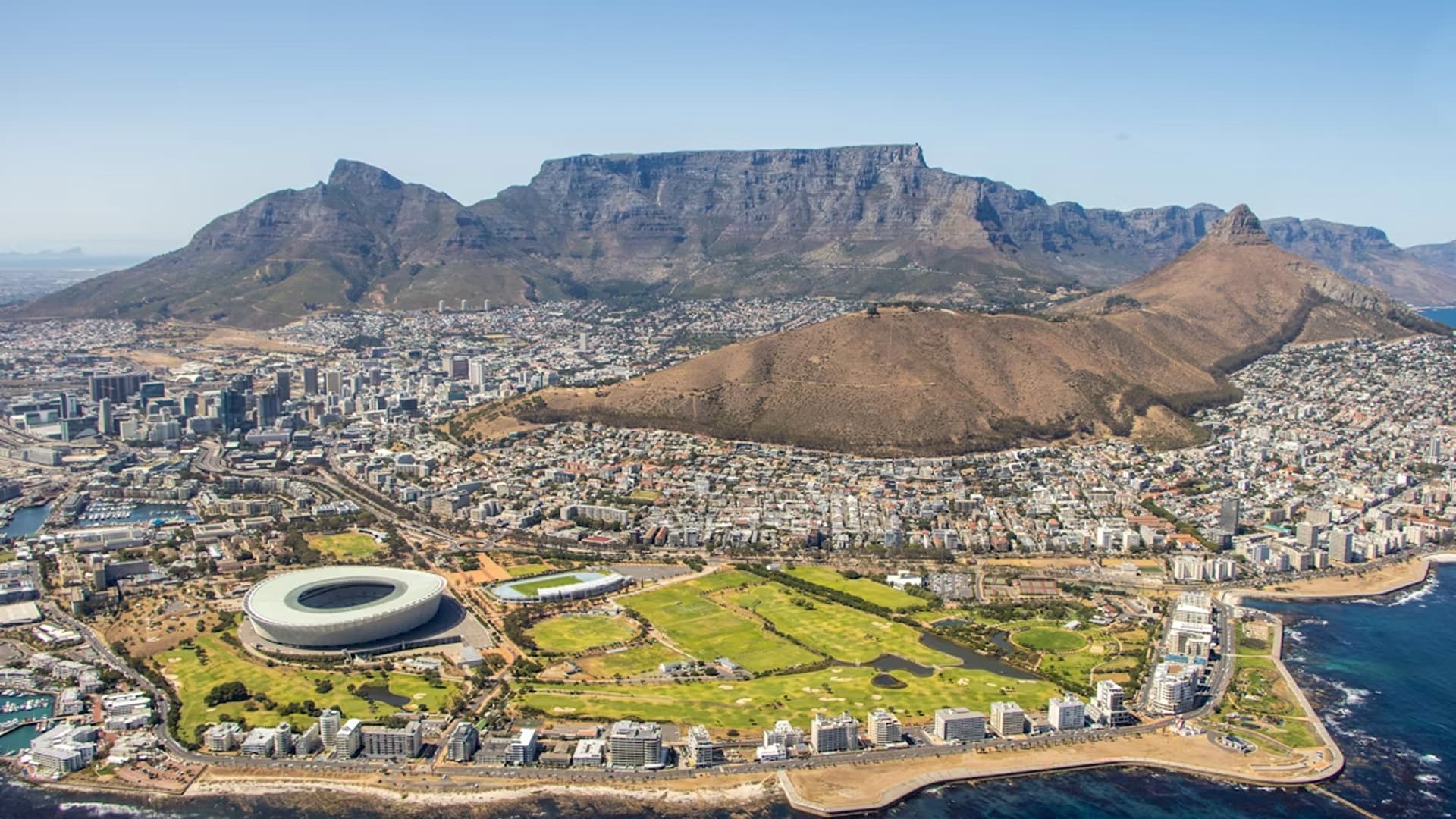
Cape Town Day Tours You Can’t Miss in 2025
A 2025 Field Guide to Cape Town’s Most Essential Day Trips Some cities ask to be strolled; Cape Town asks to be circumnavigated, climbed, ferried...

Essential Tips for First-Time Tourists in South Africa
Your Complete Guide to a Safe, Stunning, and Unforgettable Adventure South Africa offers an extraordinary blend of vibrant cultures, breathtaking...

Urban Explorations: Uncovering the Hidden Charms of South African Cities
Discovering the Soul of Urban South Africa Imagine wandering through winding alleyways, where centuries-old architecture stands side by side with...