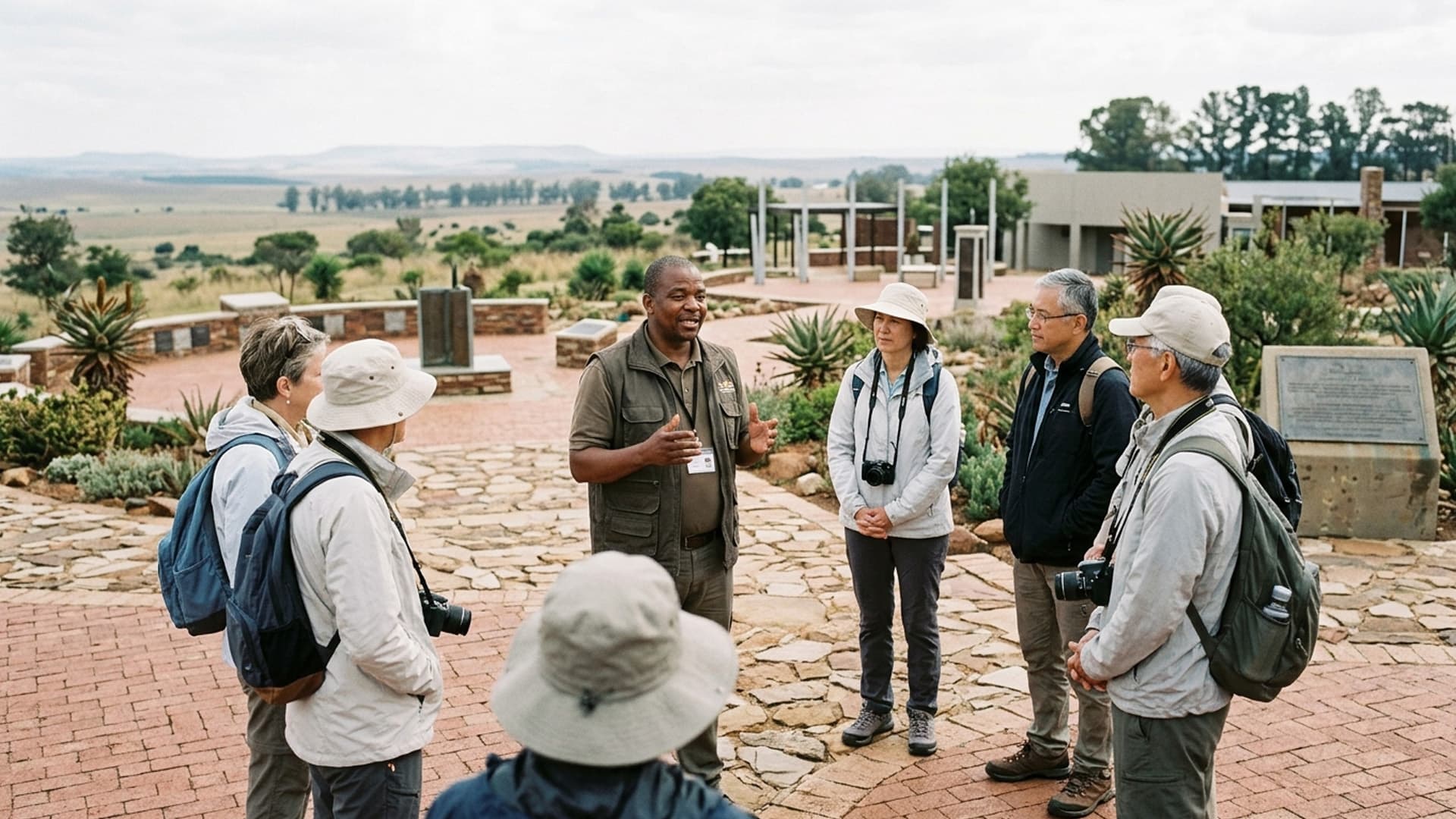
A Guided Tour Adds Meaning When Local Knowledge Leads
The value of a guided tour is not only transport; it is the context, perspective and local knowledge that connect visitors with a place.
A guided tour can make a place legible in ways that a map cannot. The guide may connect a landscape to its history, point out details visitors might miss or help a group move through a destination with more confidence. The best experiences do not turn the guide into a script; they make room for questions and for the complexity of the place being visited.
Local knowledge matters because South Africa is not a single story. Communities, languages, landscapes and histories differ across the country. A responsible tour gives context without claiming one person can speak for everyone. It also treats cultural sites and communities with care, explaining where photography is appropriate and how visitors should behave.
For guests, a clear booking page helps set expectations: group size, duration, transport, accessibility details and what the price includes. For operators, the same clarity reduces misunderstandings and makes it easier for travellers to choose an experience that fits.
South Africa Tours can frame guided journeys around the human knowledge that makes travel memorable. The measure of a good tour is not simply how many stops appear on the schedule, but whether visitors leave with a more thoughtful understanding of the places and people they encountered.
Learn how the guide handles changes
Ask what happens if weather, road access or a site closure changes the route. A good provider can explain which substitutions are possible and how the group will be informed. Confirm whether the tour still operates with a smaller group and whether a cancellation creates a refund, credit or rescheduled date.
For a private or specialist tour, ask how much time is available for questions and whether the guide can adapt explanations for children or first-time visitors. This helps travellers choose a service that matches their expectations rather than discovering the format on the day.
Agree on communication before the meeting point
Ask how the guide will identify the group and what to do if a traveller cannot find the meeting location. Confirm a direct contact for the day and whether the group should wait at a particular landmark. If mobile coverage may be limited, agree on a clear fallback and arrive early enough to resolve confusion calmly.
After the tour, share feedback through the provider's stated channel. Specific comments about timing, interpretation or access are more useful than a vague rating. If a factual issue arose, describe it respectfully and include enough detail for the operator to review it.
Understand what the guide brings
A guided tour can connect a visitor with local context, simplify transport and help a group understand details they might otherwise miss. Its value depends on the guide's knowledge, the route and the way the experience is delivered. Before booking, identify what matters to the group: interpretation, logistics, specialist knowledge, access or simply a relaxed way to see a place.
Ask who leads the tour and what their role includes. Is the guide a local resident, a specialist, a driver-guide or a host for one part of the experience? What languages are available? Does the tour include entry fees, meals, transport or equipment? Clear answers help travellers compare services fairly and avoid assuming that a short description includes everything.
Ask about route, pace and group size
Check the meeting point, duration, walking distance, surfaces, stairs, rest stops and expected pace. A tour described as easy may still involve heat, uneven ground or extended standing. Ask whether the route can be adapted for a mobility need, a child or an older traveller. If the provider cannot accommodate the group, it is better to know before paying.
Group size affects the experience. A smaller group may allow more questions, while a larger one can have a different energy and price. Ask whether the tour combines separate bookings and whether the guide can hear participants at busy sites. If it is a private tour, confirm exactly what private means and whether the itinerary can be adjusted.
Understand the itinerary and what can change
Request a clear outline of stops and travel time. A tour may need flexibility because of weather, road conditions, site rules or seasonal access. Ask what parts are fixed and what alternatives are possible. If a stop is unavailable, understand how the operator handles substitutions and whether the change affects the price.
Do not expect a guide to guarantee wildlife sightings, weather or traffic. A responsible provider explains these limits and does not promise outcomes beyond its control. For activities involving nature or physical exertion, ask about safety equipment, guide qualifications, cancellation conditions and what happens if someone needs to stop early.
Check credentials and local responsibility
For specialised or regulated activities, ask which licences, qualifications or permissions apply. Verify information through relevant official bodies when the activity carries safety or legal implications. A website badge is not always enough to establish a current credential. If a guide claims specialist expertise, look for a clear description of experience and the subject they cover.
For cultural or community-led experiences, ask who organises the visit and what visitors are invited to do. Avoid experiences that treat people as attractions or conceal the commercial arrangement. Respect photography rules and do not assume that a group may enter a private home, place of worship or community space without explicit permission.
Compare price and payment terms
Confirm the total cost, currency, deposit, cancellation policy and payment channel. Ask which expenses are excluded, such as meals, gratuities, entry fees or transport. Read the policy for weather cancellations and late arrival. A low price may reflect a shorter route or a larger group, so compare what is actually delivered rather than just the headline amount.
Book through the provider's official channel or a clearly identified booking platform. Keep the confirmation and contact details. Be cautious if payment is redirected unexpectedly to a personal account or a provider refuses to provide written terms. Verify changes through a known contact route before sending additional money.
Plan accessibility and comfort directly
Share relevant access needs before booking, and ask specific questions about vehicle entry, seating, toilets, shade, breaks and surfaces. A general statement that a tour is accessible may not answer whether the actual route suits one traveller. Confirm any agreed accommodation in writing so the guide and transport provider are aware on the day.
Discuss food allergies and dietary requirements before a meal is included. Ask how the provider handles cross-contact and whether alternatives can be arranged. For outdoor activities, understand what to bring and whether water, protective gear or personal medication is required. The group should know how strenuous the experience will be.
Set expectations for the day
Confirm the meeting point, time, guide contact and what happens if the group is late. Save directions offline and share them with everyone. Arrive prepared, but remain open to the guide's local advice. Ask questions respectfully and allow the tour to adapt when conditions require it.
A good guided tour is a clear agreement between provider and visitor. The guide contributes knowledge and care; the traveller arrives with realistic expectations and respect for the place. Asking practical questions before booking makes it easier to choose an experience that fits the group and supports a worthwhile encounter.
Elisha Roodt
Sharing authentic stories and expert insights from the heart of South Africa's tourism landscape.
More From Tours
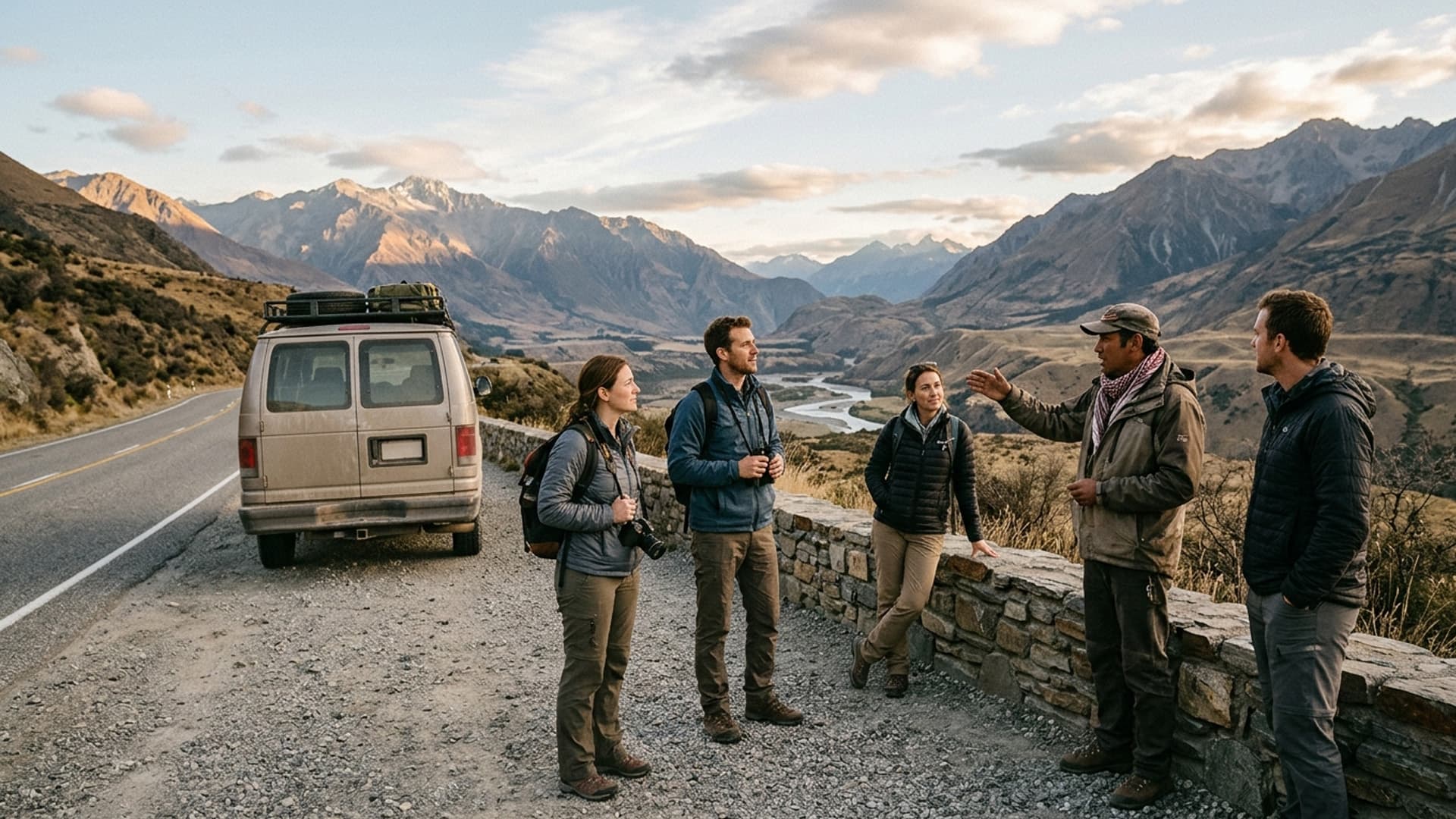
A South Africa Tour Is Made by the Moments Between Stops
A thoughtful South Africa itinerary makes room for the unplanned conversations, changing scenery and local encounters between its headline stops.
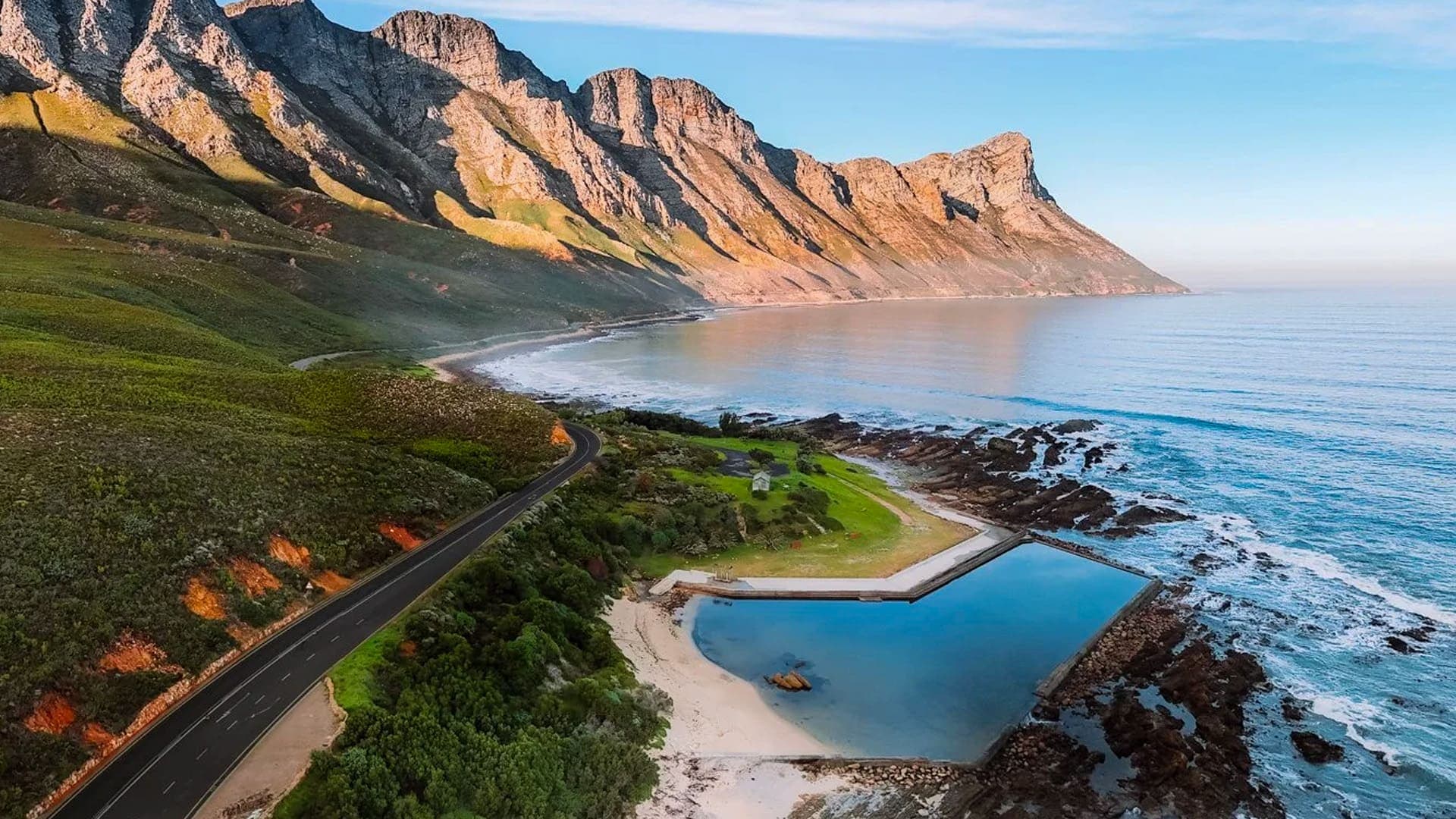
Garden Route Tours: How to Plan a Memorable South African Coastal Road Trip
The Garden Route combines coastal scenery, forest walks, wildlife, small towns and outdoor activities. This guide helps travellers plan a route, choose stops and make the most of a South African coastal tour.

Stargazing Pods to Forest Baths: Unique Wellness Escapes in South Africa
A Glimpse into Restorative Journeys Beyond Conventional Travel Across South Africa, the landscape of wellness travel is transforming into a...
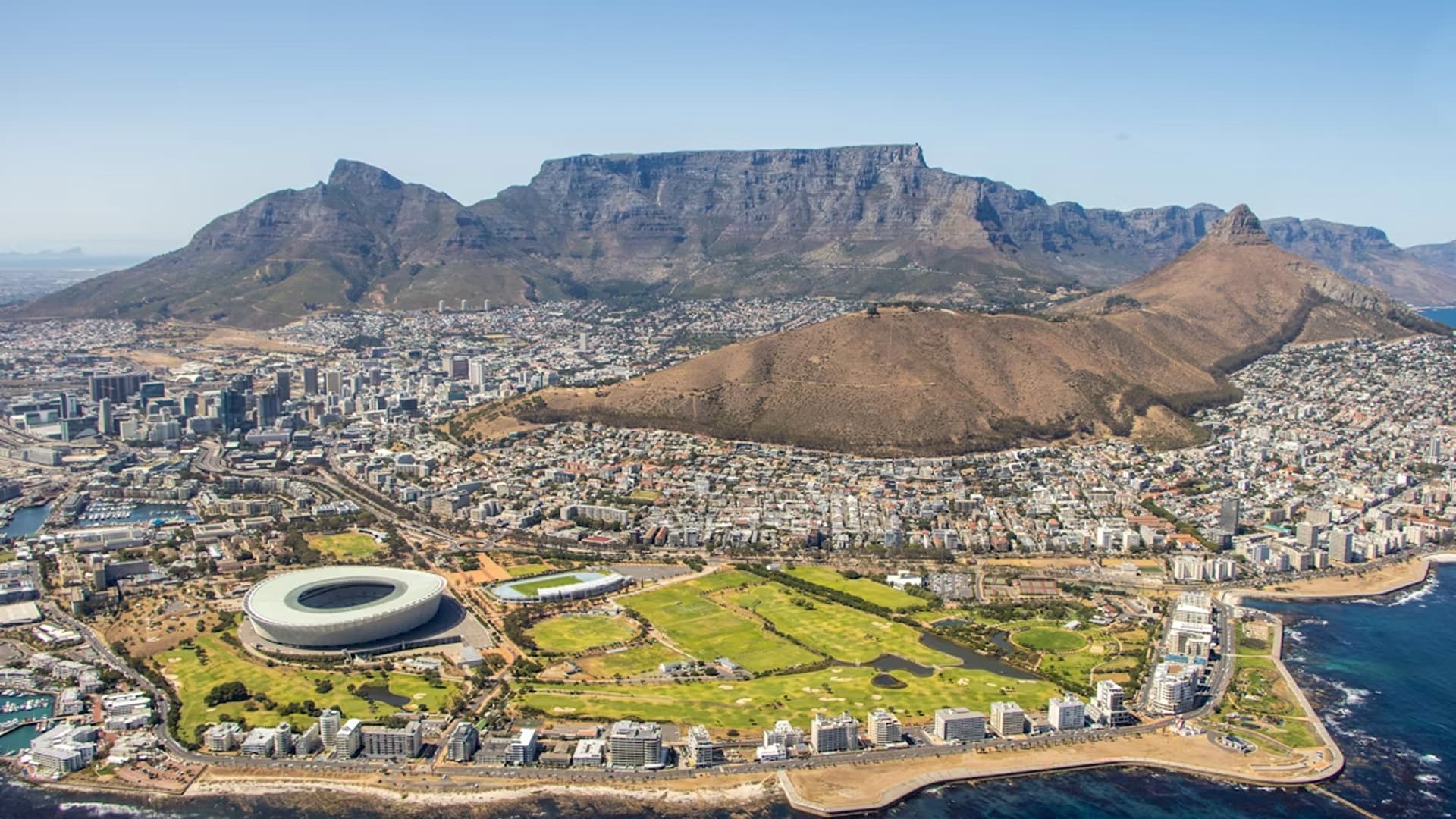
Cape Town Day Tours You Can’t Miss in 2025
A 2025 Field Guide to Cape Town’s Most Essential Day Trips Some cities ask to be strolled; Cape Town asks to be circumnavigated, climbed, ferried...

Essential Tips for First-Time Tourists in South Africa
Your Complete Guide to a Safe, Stunning, and Unforgettable Adventure South Africa offers an extraordinary blend of vibrant cultures, breathtaking...
Sustainable and Responsible Tourism
Embracing Eco-Friendly Lodges and Ethical Wildlife Conservation Tours in South Africa Imagine waking up to the sounds of the African wilderness...